Home > Blog > New Technology > TandemVu PTZ Cameras: End Surveillance Blind Spots Forever

TandemVu PTZ Cameras: End Surveillance Blind Spots Forever

By Anpviz Official November 18th, 2025 1436 views

What happens when PTZ zooms in?

TandemVu PTZ Camera

A big picture and details.

VS
Traditional PTZ Camera

Zoom in,
Miss out.

Innovative Multi-Lens Architecture

Redefining how surveillance systems operate

TandemVu

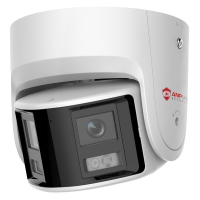
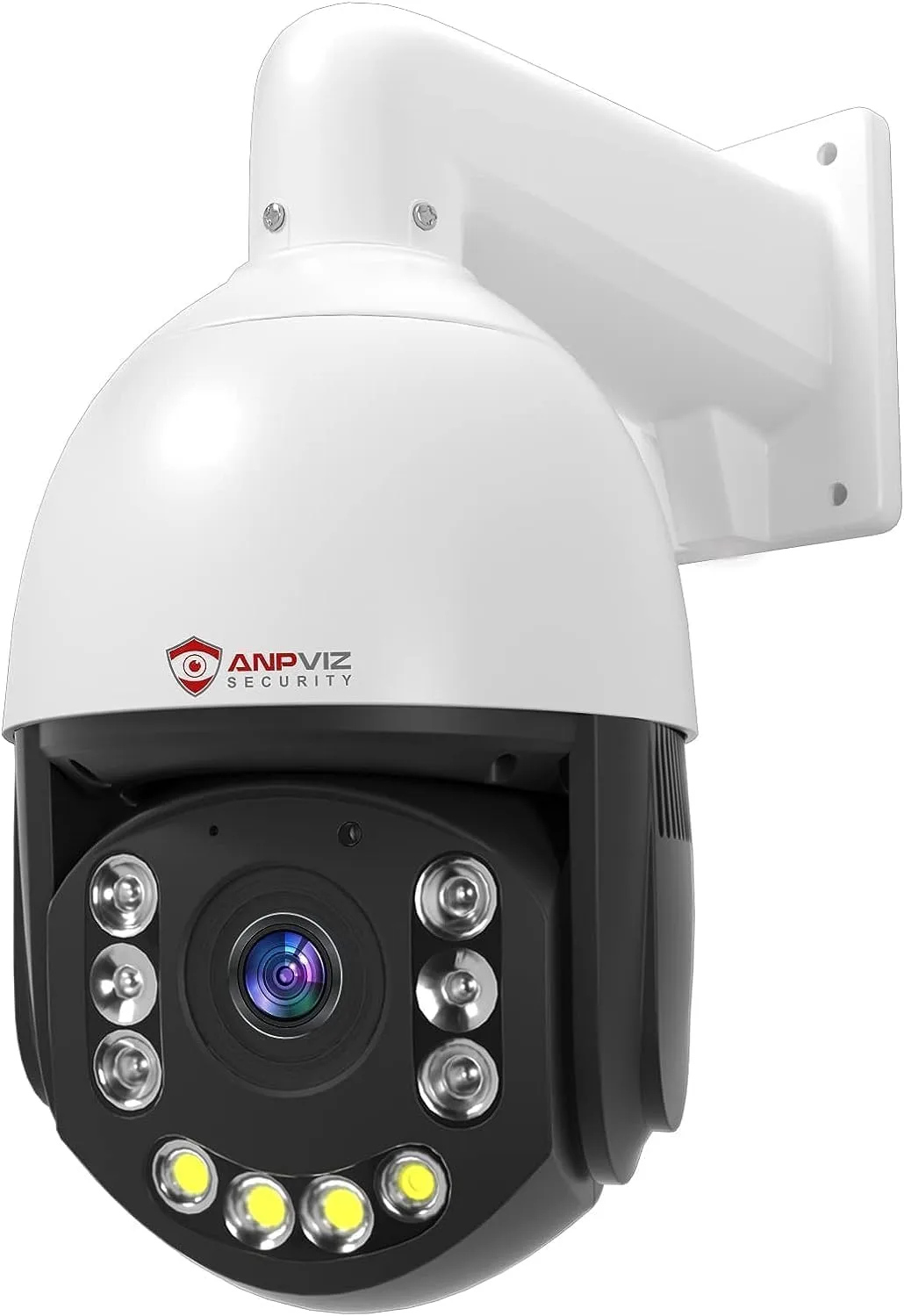
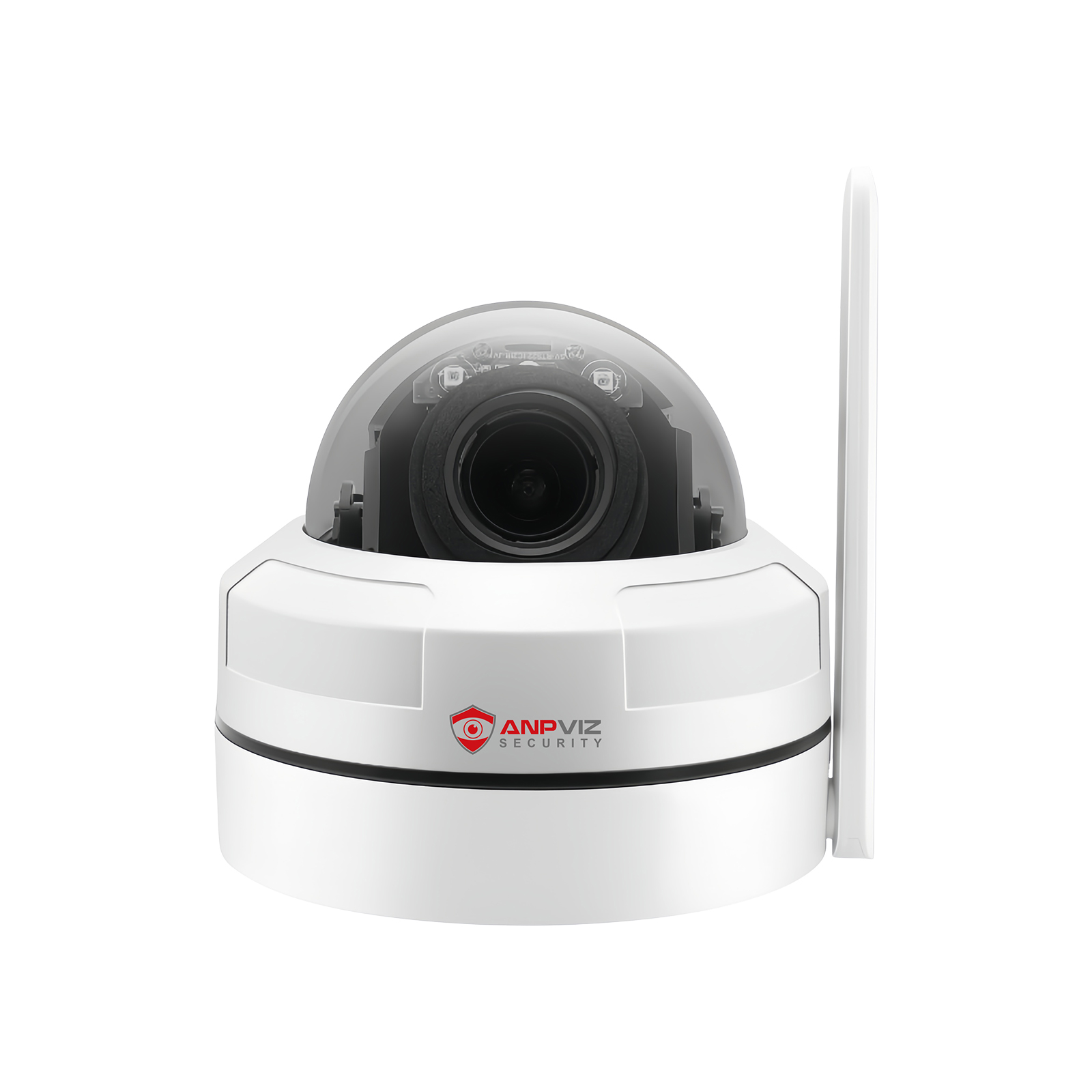
TandemVu PTZ POE Cameras integrate a fixed dual-lens bullet camera and a PTZ camera into a single, compact unit.

Its groundbreaking feature is the ability to maintain a constant wide-angle view while simultaneously performing pan, tilt, and zoom maneuvers.


Key Features & Benefits

Discover the innovative features that set TandemVu apart

💡 Vote Game: What's Most Important When You Choose Security Products?
🎯 Since you have these needs,
discover how TandemVu PTZ Camera meets your expectations

Views in One
Overview and Detail

24/7 Accurate Detection with AcuSense & ColorVu

Instant Auto-Tracking with Pinpoint Accuracy

Cost-Effective
Easy Set-up

Product Series & Applications

Professional solutions for different needs

3-inch TandemVu PTZ Camera

  • 4MP + 4MP dual-lens system
  • 4X optical zoom
  • AI VCA with Smart Linkage
  • Dual-Array Mic, Two-way Audio
  • IP66 protection rating
View Details

4-inch TandemVu PTZ Camera

  • 4MP + 8MP high-definition multiple lens
  • 25X optical zoom
  • 180° Dual-Lens Super-wide Angle
  • Enhanced AcuSense & ColorVu
  • Bullet: White Light 100ft & PTZ: IR 330ft
View Details

🏢 Typical Application Scenarios

Start Your Zero Blind Spot Experience

We value every piece of your feedback

💡 Join the conversation with your GitHub account.
Don't have one? Feel free to use the Content Suggestions form above to share your thoughts!
Outdoor Security Solutions with Onvif IP Camera Systems for Homeowners
Previous
Outdoor Security Solutions with Onvif IP Camera Systems for Homeowners
Read More
LPR vs. ANPR vs. LPC: What's the Difference and Which One Do You Need?
Next
LPR vs. ANPR vs. LPC: What's the Difference and Which One Do You Need?
Read More