When planning a video security system, the sheer variety of camera types can be overwhelming. PTZ, Panoramic, 360°, Fisheye... are they all just different names for the same thing?
The answer is a resounding no. Choosing the wrong type can lead to critical blind spots, missed details, and wasted investment. This guide will cut through the confusion and highlight why, for active monitoring and forensic detail, a PTZ Camera is often the undisputed champion. Let's dive into how a PTZ Camera can serve as the intelligent, agile "eye" of your security operations.
Part 1: The Breakdown - Understanding Your Options
Many people wonder, "Is a panoramic camera always a 360° camera?"
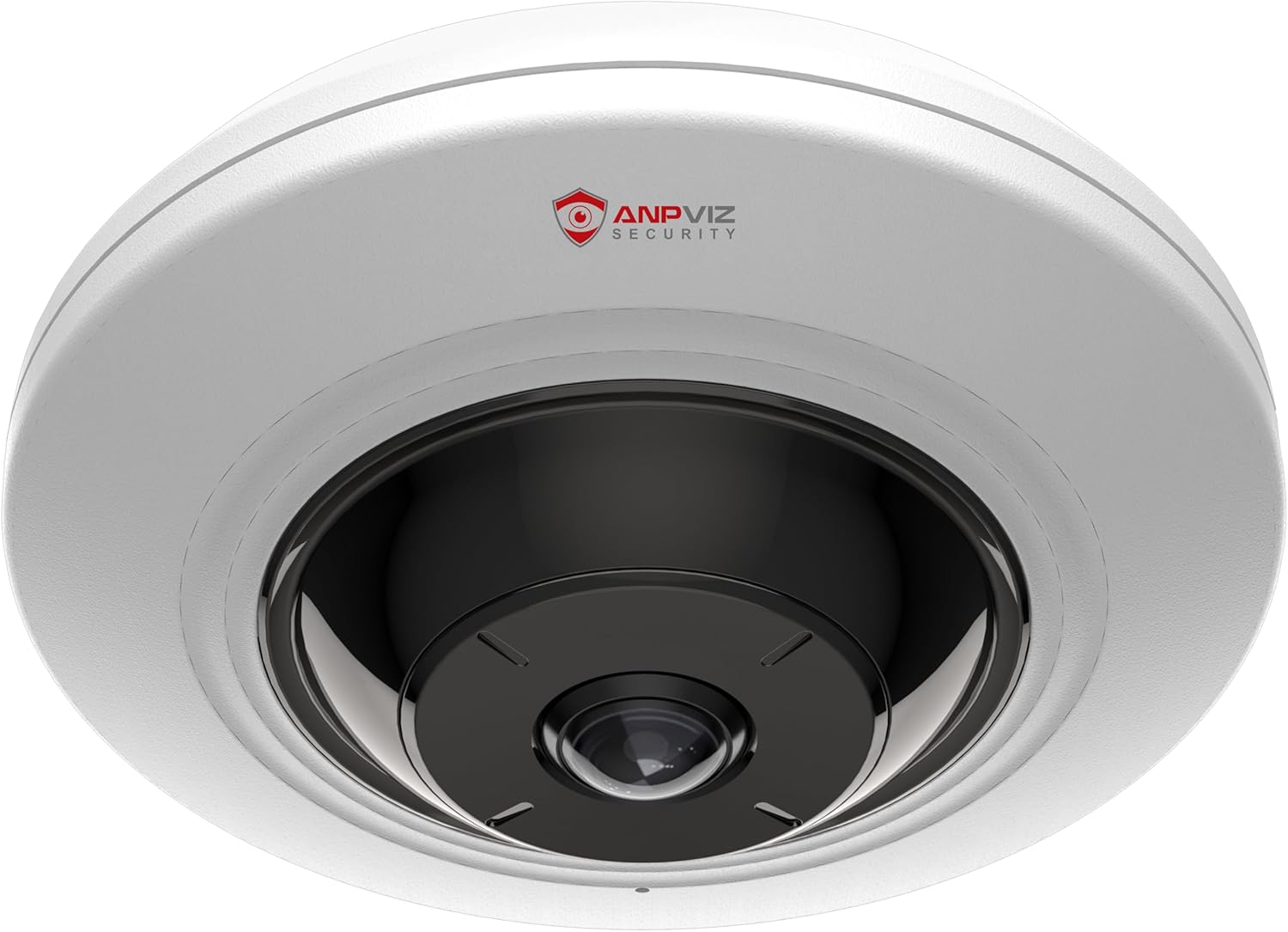
——Not necessarily. Fisheye cameras and 360-degree cameras are both subtypes of panoramic cameras. "Panoramic" is a broad term for a wide view. It can be 180° or over, while "360°" is a specific technical standard.
| Feature | PTZ Camera | Fisheye Camera | 360° Camera | Panoramic Camera |
| Core Principle | Physical Movement | Special Optical Lens | Multi-lens + Software Stitching | Multi-lens Stitching or E-PTZ |
| How It Works | Motors drive the housing to achieve Pan (horizontal rotation), Tilt (vertical tilt), and Zoom (optical zoom). | A single fisheye lens captures a circular or hemispherical, distorted image. | Typically uses two back-to-back fisheye lenses, with algorithms stitching the feeds into a complete 360°x180° spherical view. | Various forms: multi-sensor stitching, ultra-wide-angle lens, or electronic scanning via a moving sensor. |
| Field of View | Narrow, but variable. Views one direction at a time, but can cover a large area by moving. | Ultra-wide-angle (usually >180°), but with severe distortion at the edges. | Fixed panoramic (360°x180°), no blind spots. | Ultra-wide horizontal view (e.g., 180°) or virtual 360° coverage. |
| Key Advantages | 1. Active Monitoring: Can track targets. 2. Optical Zoom: Can see distant details clearly. 3. High flexibility. |
1. Simple structure, lower cost. 2. A single lens covers a large area. 3. No moving parts, more durable. |
1. Blind spot monitoring: Captures the entire environment at once. 2. Review any angle post-event; no missed events. |
1. Provides a wide, immediate view for a quick overview. 2. E-PTZ types have no physical moving parts. |
| Key Disadvantages | 1. Physical Blind Spots: Misses events in other areas while moving. 2. Potential for mechanical wear. 3. Generally higher cost. |
1. Severe image distortion, requires dewarping (correction) for normal viewing. 2. Decreased image quality at the edges. 3. No zoom capability. |
1. Low pixel density: Total pixels are spread over the entire sphere, so clarity in specific areas is lower than a fixed camera. 2. Relies on software stitching; requires good algorithms. 3. Usually no optical zoom. |
1. Multi-sensor types may have stitching seams. 2. E-PTZ types use digital zoom, which loses quality when magnified. |
| Typical Applications | - Tracking specific targets (e.g., suspects, VIPs). - Areas requiring zoom for detail (e.g., parking lots, borders). - Large areas like squares, stadiums. |
- Scenarios needing low-cost, large-area coverage (e.g., a room from the ceiling). - Used as a component in 360° cameras. |
- Areas requiring zero blind spots (e.g., bank lobbies, retail store centers, meeting rooms). - Video conferences where all participants are in the frame. |
- Scenes requiring a wide field of view (e.g., corridors, reception desks, perimeter walls). - Home security, viewing an entire living room with one camera. |
| Image Form | Traditional, non-distorted rectangular image. | Circular or drum-shaped, highly distorted image. | An equirectangular projection opened in a player, allowing users to drag the viewpoint freely. | Corrected ultra-wide rectangular image, or a draggable virtual viewpoint. |
Q1: If a 360° camera has no blind spots, why would I ever need a PTZ camera?
A1: This is the core question! A 360° camera is great for seeing everything in a low-resolution, wide-angle view. However, its major limitation is pixel density. Its megapixels are spread over the entire 360° scene, so when you digitally zoom into a specific area (like a face or a license plate), the image quickly becomes pixelated and useless. A PTZ camera, with its powerful optical zoom, can physically zoom in on a distant object while maintaining full resolution and clarity, providing the critical detail needed for identification and forensic evidence.
Q2: Can a PTZ camera work in complete darkness?
A2: Yes, many advanced PTZ cameras, including several models in our Anpviz lineup, are equipped with powerful infrared (IR) night vision or low-light starlight sensors. These technologies allow the camera to capture clear, detailed video even in pitch-black conditions, ensuring 24/7 security.
Q3: I'm worried about the mechanical wear and tear on a moving camera. How durable are PTZ cameras?
A3: This is a valid concern. Professional-grade PTZ cameras are built for endurance. They feature robust housings that are often IP66 or IP67 rated for dust and water resistance, and contain high-quality motors designed for millions of movements. At Anpviz, we subject our PTZ cameras to rigorous stress testing to ensure they withstand extreme weather conditions and continuous operation, making them a reliable long-term investment.
Q4: What's the difference between "Optical Zoom" on a PTZ and "Digital Zoom" on other cameras?
A4: Optical Zoom (PTZ Cameras): The lens physically moves to magnify the image. This uses the camera's optics to bring the subject closer without losing any image quality or resolution. It's the same as using a binocular or telescope.
Digital Zoom (Other Cameras): The camera simply enlarges the pixels in the center of the image. This is a software crop that drastically reduces image quality, resulting in a blurry, blocky picture. There is no comparison—optical zoom is superior for security.
Q5: Can I pre-set specific positions for a PTZ camera to automate its patrol?
A5: Absolutely! This is a standard and powerful feature of modern PTZ cameras called Preset Tours. You can define up to hundreds of specific preset positions (e.g., Front Door, Cash Register, Parking Gate) and program the camera to automatically cycle between them. This automates the patrol process, maximizing coverage and ensuring no area is neglected for too long.
Q6: How does "Smart Tracking" in a PTZ camera actually work?
A6: Our Smart Tracking PTZ cameras use sophisticated onboard analytics (often AI-based) to distinguish between humans, vehicles, and other objects. Once a predefined target is detected, the camera automatically locks onto it and uses its pan, tilt, and zoom functions to keep the subject centered in the frame as it moves, all without any operator input. This is perfect for automatically following a suspicious individual across a property.
Part 2: The Unbeatable Advantages of a PTZ Camera
While fixed-view cameras have their place, a PTZ Camera shifts your security posture from passive recording to active command. Here's why it's often irreplaceable:
1. From Passive to Active: Other cameras simply record what happens in their frame. A PTZ Camera allows an operator to actively explore a scene, follow a person of interest, and investigate suspicious activity in real-time.
2. Detail is Everything: The optical zoom on a PTZ Camera is its superpower. It can clearly capture a face across a parking lot or read a license plate from hundreds of feet away—something that digital zoom and low-resolution panoramic views simply cannot do without becoming a useless blur.
3. Deterrence and Response: The very presence of a moving PTZ Camera can act as a powerful deterrent. Furthermore, its ability to rapidly swing towards an alarm trigger and provide a close-up view enables a faster, more informed security response.
Part 3: Finding Your Perfect Fit: Our Anpviz PTZ Portfolio
Understanding the power of PTZ technology is the first step. The next is choosing the right one for your specific needs. At Anpviz, we've engineered a family of PTZ Cameras designed to excel in any scenario.
1. Preset & Park Action: Your Automated Guardian, Always on Duty
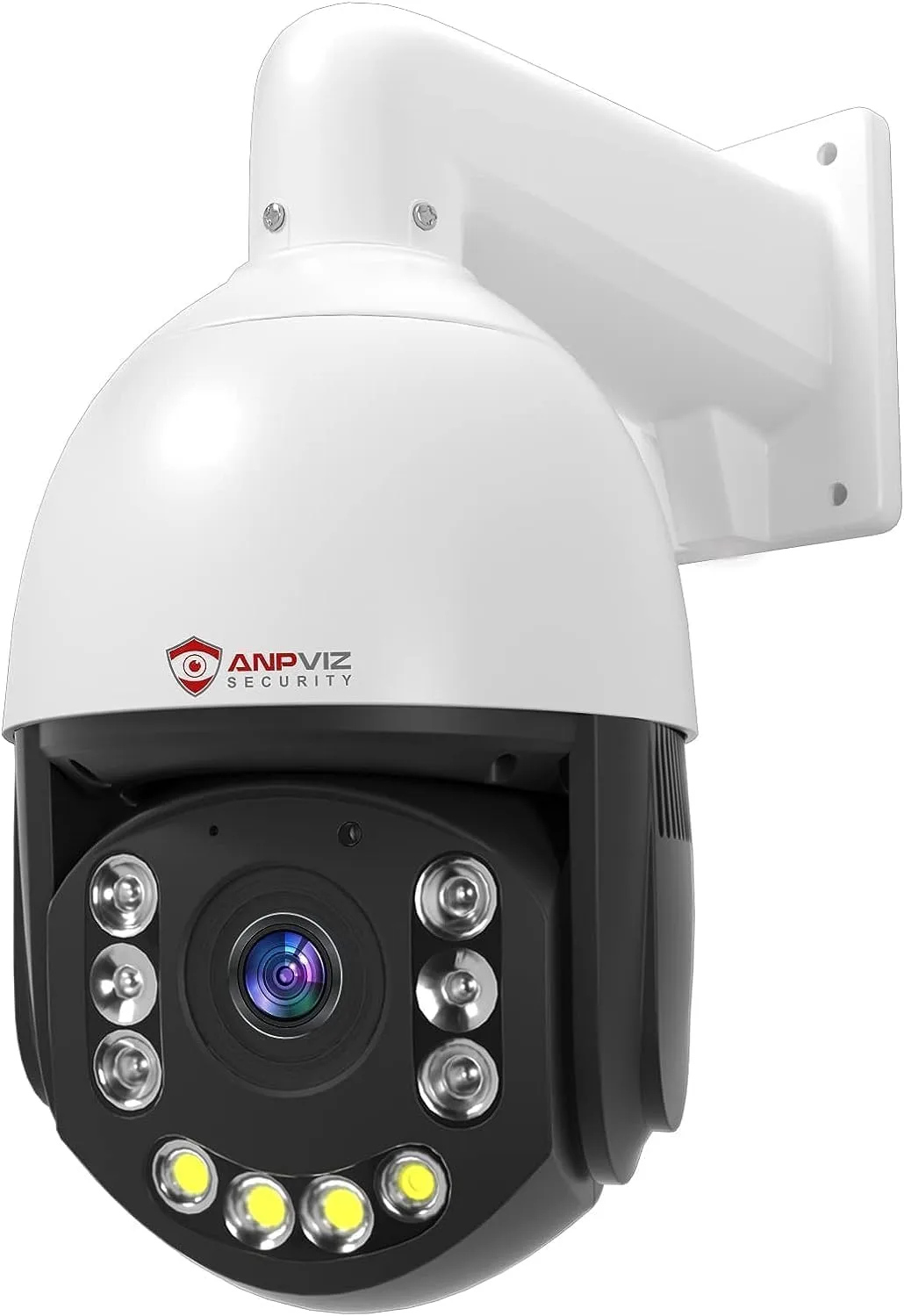
Our advanced PTZ cameras eliminate the need for constant manual control. With Preset, you can program all your key monitoring positions in advance. When an alarm is triggered, Park Action takes over—instantly commanding the camera to swing into position and zoom in on the event. It’s proactive surveillance that never sleeps, delivering rapid response and crucial evidence the moment you need it.
Ideal for: Large-scale property monitoring, critical infrastructure, and unmanned sites requiring 24/7 automated oversight.

Park Action, Patrol Scan, Perimeter Protection, Motion Detection, Built-in Microphone & Speaker, Pan 0°- 350°, Tilt 0°- 90°, 256 GB microSD card storage.
Learn More2. TandemVu: See the Big Picture and the Fine Details—Simultaneously
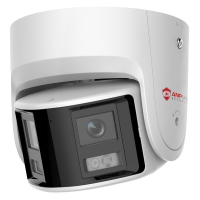
Our flagship dual-lens camera solves the classic blind spot problem. One lens provides a constant 180° or 360° overview, while the other works as a detailed-inspecting PTZ. With integrated Smart Linkage, it automatically zooms in on alarms and triggers precise perimeter protection actions, delivering complete awareness and forensic detail in one device.
Ideal for: Control rooms, city centers, transportation hubs, and any location where zero blind spots and detailed verification are non-negotiable.

Dual View & Dual-Channel Excellence, Perimeter Protection, Smart Linkage & Tracking, Powerful Optical Zoom, Crystal-Clear Color Night Vision, Human/Vehicle Detection.
Learn More3. Smart Tracking: The Intelligent Investigator
AI-powered cameras that automatically detect, classify, and track people and vehicles, collecting crucial evidence without operator input.
Ideal for: Correctional facilities, car lots, logistics yards, and campuses where automated tracking of movement is essential.

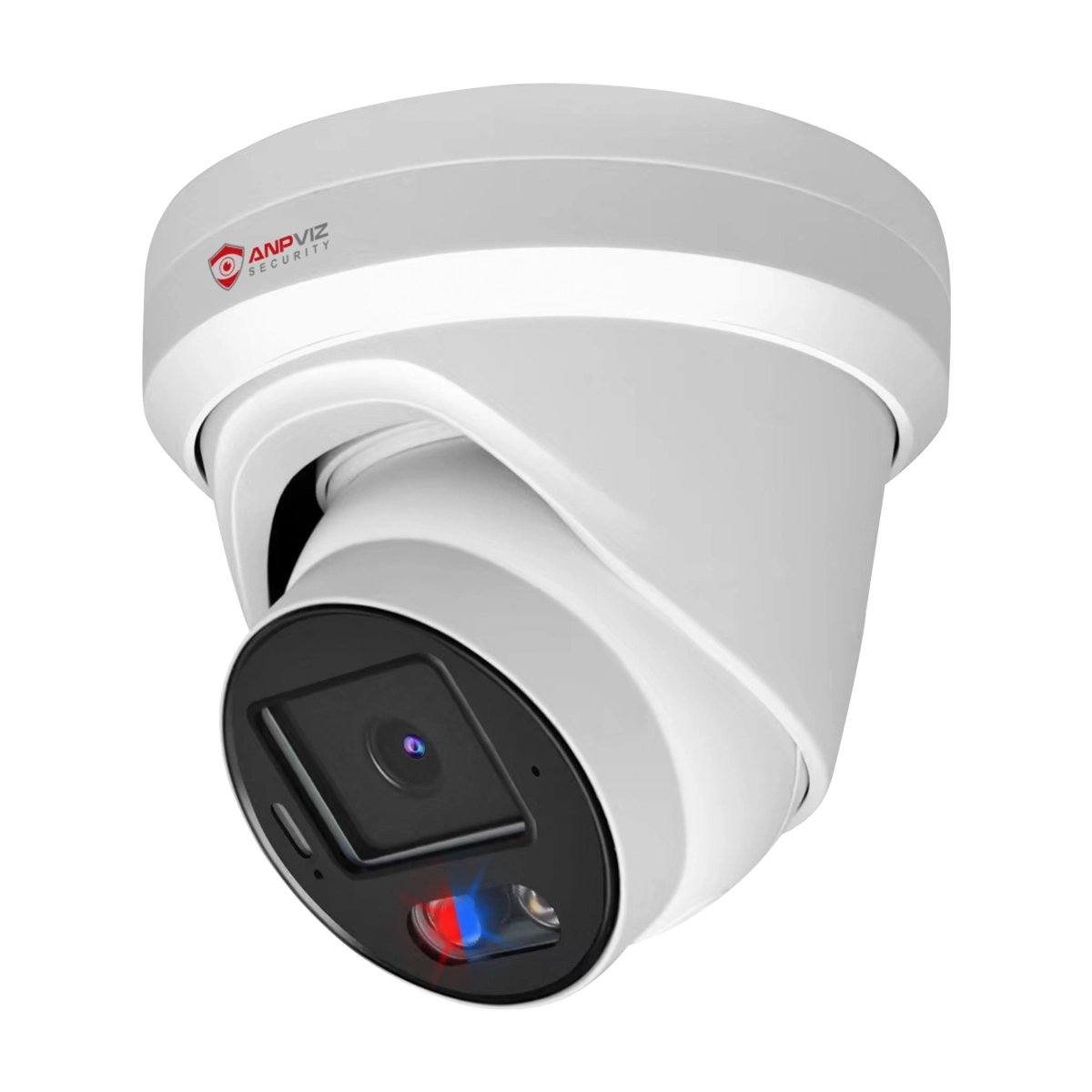
Smart Human Tracking, Motion Detection 2.0, Privacy Mask, Two-way Audio, Smart Dual Light with Color Night Vision, Active Deterrence, Built-in Mic&Speaker.
Learn More4. Mini PTZ: Mighty Performance, Discreet Profile
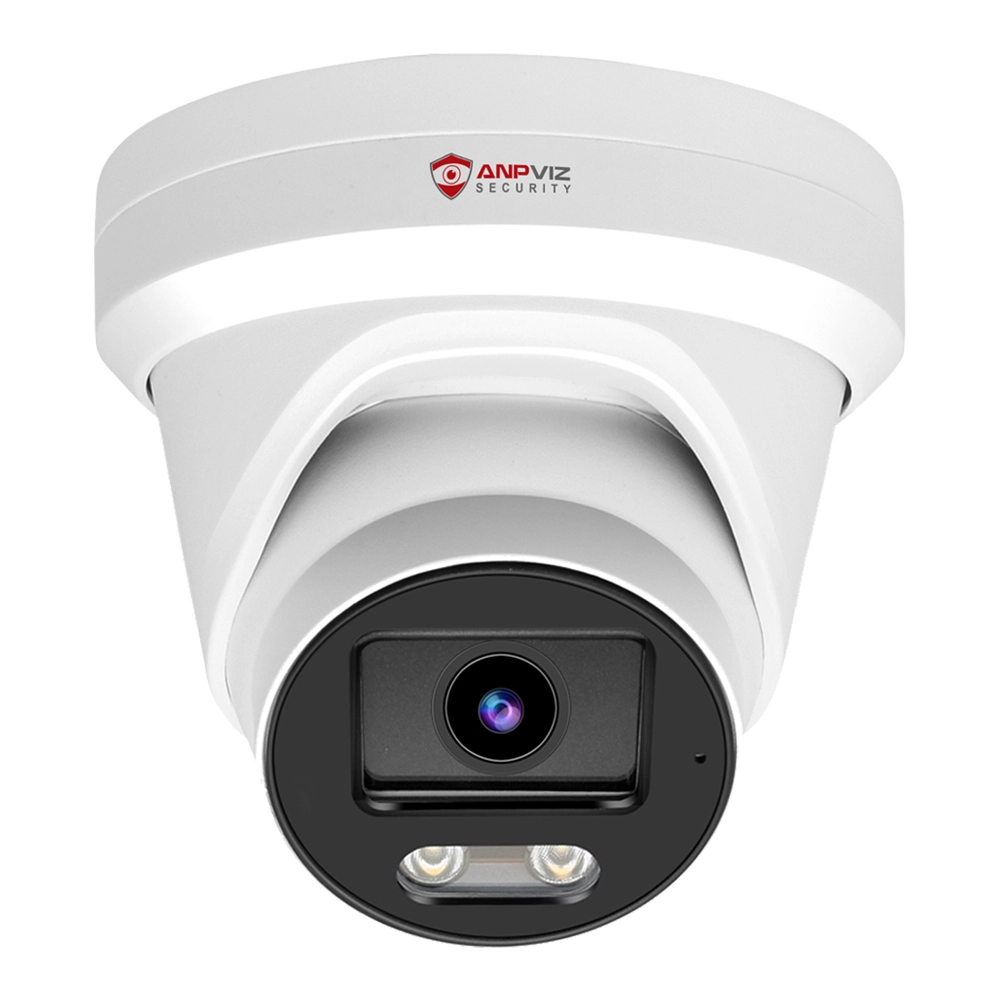
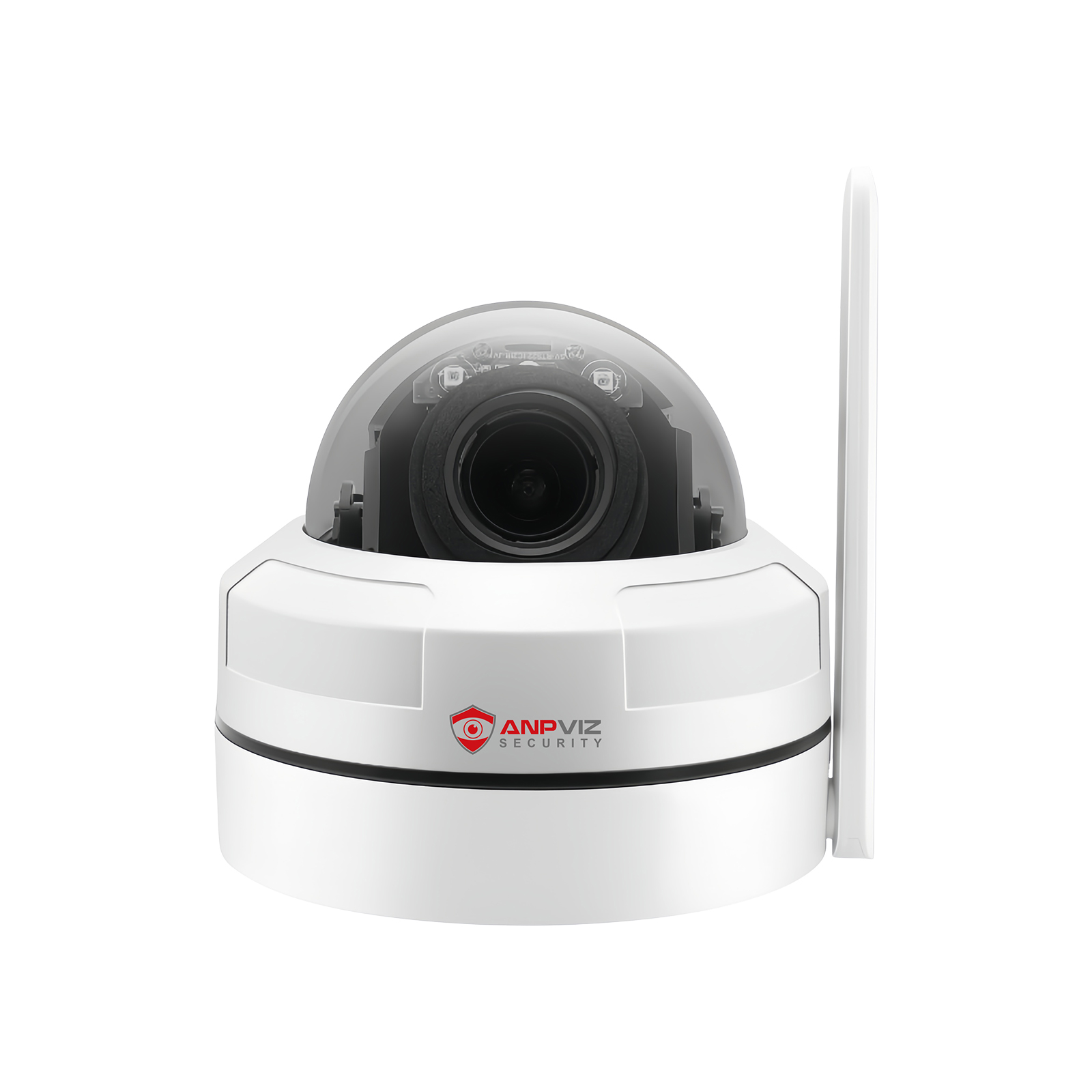
Our Mini PTZ cameras pack the powerful features of a full-sized PTZ—including high-resolution video and optical zoom—into a low-profile, discreet design. They deliver exceptional performance in environments where a bulky camera might be obtrusive or where aesthetic considerations are important, without compromising on surveillance capability.
Ideal for: Retail stores, hotels, offices, churches, and smart cities where a subtle yet powerful security presence is required.

Pan 0° - 355°, Tilt 0° - 90°, IR Light up to 100ft, Human/Vehicle Detection, Built-in Mic, IP66 Waterproof, IK10 Vandal Proof, H.265 Vedio Compression, NDAA Compliant.
Learn MoreAll our PTZ Cameras feature precision auto-focus mechanisms to ensure razor-sharp imagery at any zoom level.
Conclusion: Make the Informed Choice for Your Security
In summary, fixed-view cameras are great for general oversight, but for dynamic environments where active intervention, forensic detail, and intelligent tracking are required, a PTZ Camera is the superior solution.
Explore our full range of high-performance Anpviz PTZ Cameras today and discover the perfect model to protect what matters most to you! 🔍
📹 [H Series - PTZ IP Camera] | 📸 [U Series - Mini PTZ Camera] | 🚀 [U Series - Pro PTZ Camera]
Interested in volume purchases or becoming a distributor? 🤝 Reach out to our team to explore partnership opportunities and exclusive pricing! 💼
[Email: sales@anpviz.com]
Need technical consultations or installation support? 🛠️ Our specialist team is here to help! 💡
[Email: support@anpviz.com]